
Benefits of Compostable Plastic Wraps for Food: Embracing Eco-Friendly Food Wraps
- Franklin & Verity Gillette
- May 5
- 4 min read

When it comes to wrapping our food, we often reach for the familiar plastic wrap without a second thought. But what if I told you there’s a better way? A way that protects your food and the planet? That’s where eco-friendly food wraps come in. These wraps are changing the way we think about food storage, and I’m excited to share why they might just become your new kitchen essential.
Let’s explore the many benefits of switching to compostable plastic wraps for food. Together, we can make small changes that add up to a big difference.
Why Choose Eco-Friendly Food Wraps?
You might wonder, why should I switch to eco-friendly food wraps? The answer is simple: they are better for the environment and just as effective for your food. Traditional plastic wraps are made from petroleum-based materials that take hundreds of years to break down. They often end up in landfills or oceans, harming wildlife and polluting our planet.
Eco-friendly food wraps, on the other hand, are designed to break down naturally. They come from renewable resources like plant starches or cellulose, which means they leave behind no toxic residue. When you use these wraps, you’re choosing a product that supports a healthier planet.
Here’s what makes eco-friendly food wraps stand out:
Biodegradable and compostable: They break down quickly in composting conditions.
Non-toxic: Free from harmful chemicals often found in conventional plastics.
Breathable: Some wraps allow food to breathe, keeping it fresher longer.
Reusable options: Many eco wraps can be washed and reused multiple times.
By making this switch, you’re not just protecting your food—you’re protecting the earth for future generations.

How Eco-Friendly Food Wraps Help You and the Planet
When you use eco-friendly food wraps, you’re making a choice that benefits both your household and the environment. Let’s break down some of the key advantages:
1. Reducing Plastic Waste
Every year, millions of tons of plastic waste pollute our environment. Most plastic wraps are single-use and non-recyclable, which means they pile up in landfills or oceans. By switching to compostable wraps, you reduce the demand for single-use plastics and help cut down on waste.
2. Supporting Sustainable Agriculture
Many compostable wraps are made from plant-based materials like corn starch or sugarcane. These materials come from renewable crops that can be grown sustainably. Choosing these wraps supports farmers who use eco-friendly practices and reduces reliance on fossil fuels.
3. Keeping Food Fresh Naturally
Eco-friendly wraps often have breathable properties that help maintain the right moisture balance for your food. This means your fruits, vegetables, and leftovers stay fresh longer without the need for chemical preservatives.
4. Easy Disposal and Composting
When you’re done with your wrap, you can toss it into your compost bin (if your local facility accepts it). It will break down into nutrient-rich compost that helps plants grow. This closes the loop and turns waste into something valuable.
5. Peace of Mind
Using compostable plastic wrap for food means you’re making a conscious choice. You’re reducing your environmental footprint and contributing to a cleaner, healthier world. That’s something to feel good about every day.
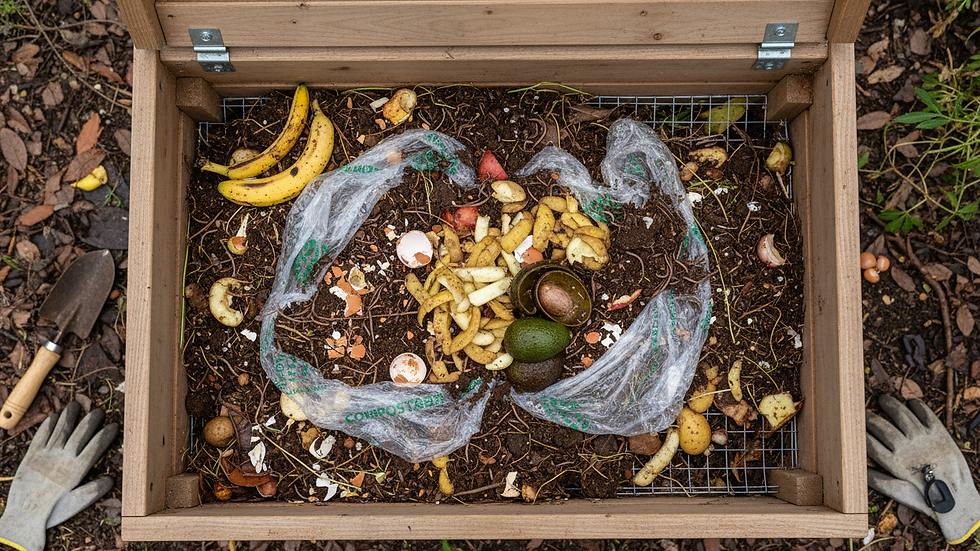
Is compostable plastic actually compostable?
This is a question I hear a lot, and it’s important to get it right. The term “compostable” can be confusing because not all compostable plastics break down the same way or in the same time frame.
Compostable plastics are designed to break down under specific conditions—usually in industrial composting facilities where heat, moisture, and microbes work together to decompose the material. These wraps typically break down within 90 to 180 days in such environments.
However, if you toss compostable plastic wrap into your regular trash or a home compost pile that doesn’t reach the right temperature, it might not break down as expected. That’s why it’s important to:
Check if your local composting program accepts compostable plastics.
Follow disposal instructions on the packaging.
Consider home compostable options if available.
By understanding how compostable plastics work, you can make sure your eco-friendly food wraps truly benefit the environment.
Practical Tips for Using Compostable Plastic Wraps
Switching to eco-friendly food wraps is easy, but here are some tips to help you get the most out of them:
Store food properly: Use wraps to cover bowls, wrap sandwiches, or seal cut fruits and veggies.
Avoid heat: Most compostable wraps are not microwave-safe. Use glass containers for reheating.
Reuse when possible: Some wraps can be gently washed and reused several times before composting.
Combine with other sustainable practices: Use reusable containers, cloth bags, and beeswax wraps for a zero-waste kitchen.
Educate your household: Share the benefits and proper disposal methods with family and friends.
By incorporating these habits, you’ll enjoy fresh food and a cleaner conscience.
Making the Switch: Where to Find Compostable Plastic Wraps
If you’re ready to make the change, you might be wondering where to find these eco-friendly alternatives. Many online shops and local stores now offer compostable plastic wrap for food. Look for products that:
Clearly state they are compostable and biodegradable.
Use plant-based materials.
Have certifications from recognized organizations (like ASTM D6400 or EN 13432).
Remember, every purchase supports a greener future. When you choose compostable wraps, you’re investing in a product that aligns with your values and helps reduce environmental harm.
Switching to eco-friendly food wraps is a simple step with powerful benefits. Together, we can reduce plastic waste, support sustainable farming, and keep our food fresh—all while caring for the planet. So why not give it a try? Your kitchen and the earth will thank you.
Ready to explore options? Check out this compostable plastic wrap for food and start your journey toward a more sustainable lifestyle today!


Comments